
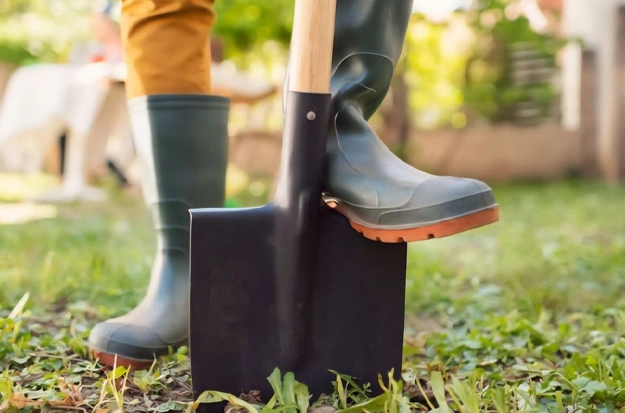
Work boots are more than the finishing touch to a work uniform. They protect your feet, support your body, and help you survive long days in difficult work locations. Whether you work in construction, warehouses, landscaping, farming, transportation, or manufacturing, your boots take a battering every day.
Work boots are constructed tough, and plenty of people keep wearing them long after they should. At first, the changes appear tiny. Sole wears a bit. The support feels slightly different. There is a little rupture in the leather. But those little difficulties may evolve into major problems that impact comfort, safety, and performance.
Replacing work boots before serious problems develop may save money, decrease pain, and help avoid accidents. Most importantly, it keeps you focused on your task instead of fretting about sore feet or ruined gear. Here are several distinct symptoms that it may be time for a new pair of work boots.
Your Soles Are Losing Their Grip
The outsole is one of the most critical sections of any work boot. It allows for traction and helps to decrease the danger of slips and falls.
The tread pattern slowly fades away month after month. So your boots may not grip as well as they used to. Common indicators of worn-out soles include:
- Smooth areas where tread used to be
- Uneven wear patterns
- Reduced traction on wet surfaces
- Frequent slipping on floors or outdoor terrain
- Visible separation between the sole and the upper boot
Even if the rest of the boot looks fine, worn soles can make everyday work more difficult and less safe.
Your Feet Feel Tired Much Faster
Many people notice this sign before they notice physical damage. A good work boot provides support throughout the day. When that support begins to break down, your feet must work harder.
You may start experiencing:
- Foot fatigue earlier in the day
- Sore arches
- Heel discomfort
- Aching ankles
- Leg tiredness after work
At first, these symptoms may seem related to a busy schedule. However, worn-out boots often play a major role.
New work boots can restore support and help reduce daily strain on your feet and lower body.
The Cushioning Feels Flat
Every step creates impact. The cushioning inside your work boots helps absorb that force. Over time, insoles and midsoles compress. Once they lose their ability to absorb shock, your joints must handle more impact. Watch for these warning signs:
- Hard feeling underfoot
- Increased pressure on heels
- Knee discomfort after standing
- More soreness after walking
- Reduced comfort on concrete surfaces
Even if the exterior still looks decent, worn cushioning can make long workdays much harder on your body.
Cracks Are Appearing in the Material
Leather and synthetic materials naturally wear down with age and daily use. Small cracks often develop slowly. Unfortunately, they rarely improve on their own. Cracked materials can lead to:
- Water is entering the boot
- Reduced durability
- Less protection from workplace conditions
- Faster overall deterioration
Regular cleaning and conditioning can help extend the life of leather boots. Still, once cracking becomes significant, replacement is often the smarter choice.
Your Boots Are No Longer Waterproof
Many workers depend on waterproof work boots to stay comfortable throughout the day.
As boots age, waterproof barriers can weaken. Consequently, moisture begins finding its way inside. Signs of failing waterproof protection include:
- Damp socks after work
- Water spots inside the boot
- Wet feet during rain
- Longer drying times
Wet feet can create discomfort and increase the likelihood of blisters. Therefore, maintaining reliable protection is important for daily comfort.
The Toe Area Is Damaged
The toe section usually takes the most abuse. Workers often kneel, kick materials into place, climb ladders, and move equipment. Because of this, the toe area wears faster than many other parts of the boot.
Pay attention to:
- Torn material
- Exposed protective toe caps
- Deep scuffs
- Cracks near the toe bend
- Loss of structural shape
Damaged toe protection may reduce the effectiveness of safety features that help protect your feet on the job.
The Boots No Longer Fit Correctly
Many people assume their feet never change. In reality, feet can change shape over time due to age, activity levels, and daily wear.
Likewise, work boots themselves change shape as materials stretch and break down. You may notice:
- Excessive movement inside the boot
- Heel slipping
- Loose fit
- New pressure points
- Frequent blisters
When boots stop fitting properly, they become less comfortable and less supportive.
Uneven Wear Is Affecting Your Walking Pattern
Look at your boots from behind. If one side of the sole wears much faster than the other, it can affect the way you walk. Uneven wear may lead to:
- Balance issues
- Foot strain
- Knee discomfort
- Hip soreness
- Lower back pain
Replacing boots before these issues become severe can help maintain better body alignment during long workdays.
The Stitching Is Coming Apart
Strong stitching holds your boots together. After months or years of use, stitching can weaken from moisture, dirt, friction, and daily movement. Signs include:
- Loose threads
- Open seams
- Gaps between panels
- Areas pulling apart
While minor repairs may work temporarily, widespread stitching failure often signals that the boot is nearing the end of its lifespan.
You Notice More Blisters Than Before
Blisters often appear when boots create excessive friction. If your work boots suddenly begin causing rubbing in areas that were previously comfortable, something has likely changed.
Potential causes include:
- Flattened cushioning
- Broken-down support
- Loose fit
- Internal lining damage
Ignoring these signs can lead to ongoing discomfort and reduced productivity throughout the workday.
The Interior Lining Is Worn Out
Most people focus on the outside of their boots. However, the inside matters just as much. Check the lining regularly. Signs of interior wear include:
- Holes inside the boot
- Rough surfaces
- Exposed materials
- Flattened footbeds
- Torn padding
Once the interior begins deteriorating, comfort often declines quickly.
Persistent Odors Can Signal Material Breakdown
Work boots naturally develop odors over time. However, persistent smells that remain after cleaning may indicate deeper material wear. As internal materials break down, they can trap moisture and bacteria more easily.
Although cleaning helps, severely worn boots often continue developing odors because the materials themselves have reached the end of their useful life.
Your Work Environment Has Changed
Sometimes the problem is not the boot’s age. Instead, your job requirements may have changed.
For example:
- You moved from warehouse work to construction.
- You now spend more time outdoors.
- You regularly work on wet surfaces.
- You need greater toe protection.
- You walk longer distances each day.
In these situations, upgrading to boots designed for your current work conditions can improve comfort and support.
Why Waiting Too Long Can Cost More
Many people delay replacing work boots to save money. Ironically, waiting too long often creates additional costs. Worn boots can contribute to:
- Increased foot discomfort
- Reduced productivity
- More frequent slips
- Greater strain on joints
- Faster fatigue
By replacing boots before major issues develop, you may avoid many of these challenges and maintain better comfort throughout your workday.
Simple Habits That Help Work Boots Last Longer
While every pair eventually needs replacement, proper care can help maximize lifespan. Helpful habits include:
- Cleaning boots regularly
- Allowing boots to dry fully
- Using quality insoles
- Rotating between pairs when possible
- Conditioning leather materials
- Storing boots in a dry location
These small steps can help preserve comfort and performance for a longer period.
Final Thoughts
Work boots work hard, day in and day out, and with time, they begin to show their age. Recognizing such signals early on can help you remain comfortable, have greater support, and not overdo it with your feet and body. Worn soles, flattened cushioning, torn materials, poor fit, and limited traction are things you should never overlook.
When your boots begin to display these warning signals, it’s usually best to replace them before worse issues occur. Adriana’s Envios Y Mas is the place to go if you want excellent work boots and great customer support. They provide consumers in Thousand Oaks with a wide selection of work boots and other day-to-day necessities. Your feet carry you through every shift. Giving them the support they deserve can make every workday feel a little easier.